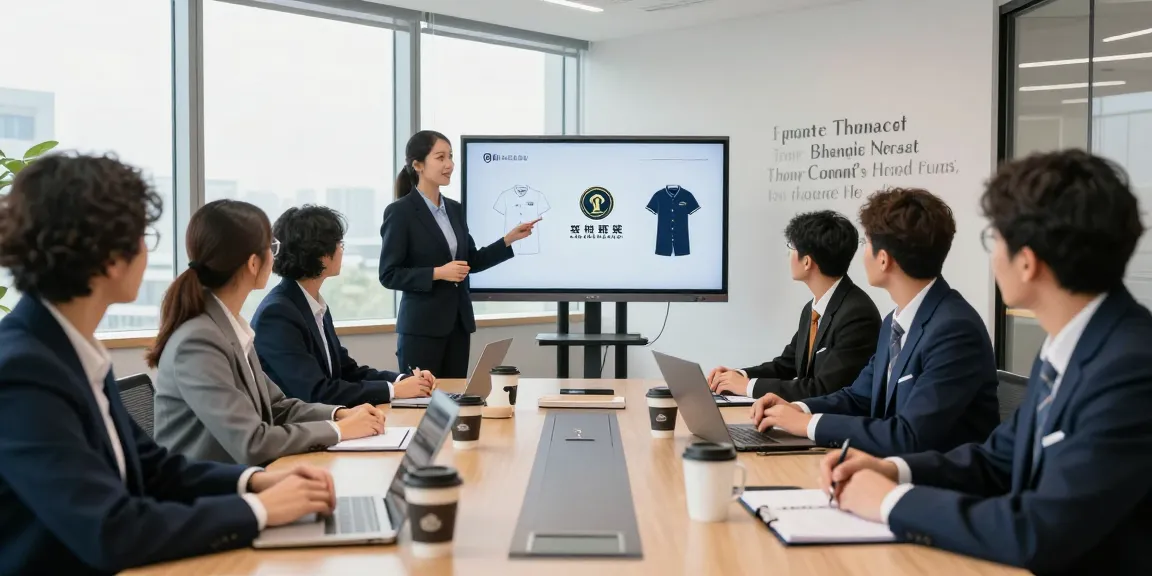
Understanding the Importance of Company Uniforms
In today's competitive marketplace, the identity and culture of a business are often reflected in its employees. Company uniforms serve as a powerful tool for branding, fostering employee cohesion, and creating a professional atmosphere. Firms looking to enhance their organizational image must consider the role that well-designed uniforms play. When exploring options, Company uniforms can significantly impact how a business is perceived by clients and customers.
Why Company Uniforms Matter for Branding?
Company uniforms are crucial for establishing a brand's image. They serve as a visual representation of the business, enabling customers to instantly recognize employees. This uniformity can enhance brand recall when combined with logos and color schemes that are consistent with the company's branding strategy. Additionally, uniforms can instill a sense of professionalism, showcasing to clients that the company values how it presents itself to the world.
Benefits of Employee Cohesion through Uniforms
Uniforms do more than just beautify a team; they foster a sense of belonging and unity among employees. When team members wear the same attire, it diminishes barriers and promotes equality within the workforce. This collective identity can lead to improved morale and productivity, as employees feel they are part of a cohesive group working towards common goals.
Common Misconceptions about Company Uniforms
Despite their benefits, there are misconceptions surrounding the use of company uniforms. Some believe they suppress individuality and stifle creativity; however, modern uniform designs often incorporate personal elements allowing for self-expression. Another myth is that uniforms are costly. In reality, investing in quality uniforms can lead to long-term savings by reducing employee turnover and enhancing job satisfaction.
Trends in Company Uniforms for 2026
The landscape of company uniforms is continually evolving, influenced by fashion, technology, and employee preferences. As we look ahead to 2026, several key trends are emerging that companies should consider when updating their uniform policies.
Latest Fabric Technologies and Sustainability
One of the most significant trends in uniforms is the move towards sustainability. Innovative fabric technologies are now available that are both environmentally friendly and durable. From organic cotton to recycled polyester blends, businesses are opting for materials that not only reduce their carbon footprint but also meet the demands of a modern workforce. Additionally, moisture-wicking fabrics and antimicrobial properties are becoming standard, offering comfort and hygiene.
Custom Designs and Personalization Trends
Customization is at the forefront of current uniform designs. Businesses are increasingly opting for unique, tailored options that reflect their branding more intricately. Personalization can extend beyond mere logos to include varying styles, colors, and even allowing employees to choose cuts that suit their preferences. This bespoke approach not only enhances brand identity but also improves employee satisfaction.
Incorporating Comfort without Sacrificing Style
Modern uniforms are shifting to prioritize comfort without sacrificing aesthetics. The traditional, stiff uniforms are being replaced with breathable, flexible options that allow for freedom of movement. Companies are recognizing that employees who feel comfortable in their attire are likely to be more productive and engaged at work. Stylish designs with functional elements, such as pockets and breathable fabrics, are becoming the norm.
Best Practices for Selecting Company Uniforms
Selecting the right uniforms for a business is a critical decision that entails several considerations. Following best practices can ensure that the chosen uniforms align with company values and employee preferences.
Understanding Different Industry Needs for Uniforms
Different industries have varying uniform requirements. For example, a construction company might necessitate high-visibility gear, while a corporate office may prefer formal business attire. Understanding these unique needs is essential to ensure that uniforms not only serve a branding function but are also practical and safe for the specific work environment.
Engaging Employees in the Uniform Selection Process
Involving employees in the selection of their uniforms can lead to higher satisfaction rates and better compliance. Surveys and focus groups can provide valuable feedback about preferences in style, fabric, and functionality. This engagement can enhance morale and create a sense of ownership among employees, ultimately resulting in a more positive workplace culture.
Quality vs. Price: Making Strategic Choices
While cost is a critical factor in uniform selection, it’s important not to sacrifice quality for the sake of savings. Investing in high-quality materials can offer better durability and comfort, which translates to long-term cost savings. Companies should evaluate suppliers based on quality, reputation, and feedback from other businesses in their industry to make informed decisions.
Implementing a Company Uniform Program
A successful uniform program requires careful planning and implementation. It’s not just about the garments; it's about creating a system that supports the wearers.
Steps to Launch and Communicate Changes Effectively
Once uniforms have been selected, launching a uniform program requires clear communication. Informing employees about the reasons for the change, the benefits, and providing them with a timeline can enhance understanding and acceptance. A well-crafted launch plan may include training sessions, informational meetings, and distribution events to introduce the new uniforms seamlessly.
Maintaining and Updating Uniforms over Time
Uniforms should be treated as a long-term investment. Regular assessments to ensure they continue to meet employee needs and reflect the brand's image are essential. Additionally, setting up a maintenance program, such as regular cleaning or replacement schedules, can ensure uniforms remain in top condition and continue to represent the company positively.
Feedback Mechanisms for Continuous Improvement
Establishing feedback mechanisms is vital for evolving the uniform program. Encourage ongoing dialogue with employees regarding their experiences wearing the uniforms. Regular surveys or informal discussions can provide insights into potential improvements and adjustments, ensuring that the uniforms continue to meet the evolving needs of employees.
Future Predictions for Company Uniforms
As we look to the future, it's essential to anticipate the changes that will impact the way company uniforms are designed and implemented.
Impact of Remote Work on Uniform Trends
The rise of remote work has influenced uniform trends significantly. Companies that previously required standard uniforms may find it beneficial to adapt their dress codes to reflect a more casual, home-office environment. Hybrid organizations might consider implementing uniforms that are comfortable enough for remote days while maintaining professionalism for in-office settings.
Technology Integration in Design and Functionality
With the proliferation of smart textiles and wearables, technology is poised to redefine uniforms. Features such as built-in sensors, connectivity, and functional compartments for carrying devices are beginning to emerge. These advancements will not only elevate functionality but also enhance safety in various industries.
Emerging Aesthetics and Cultural Influences
Fashion continues to influence workplace attire. As cultural shifts occur, uniforms must adapt to reflect the changing values and preferences of the workforce. Diversity, inclusivity, and representation will play a critical role in future uniform designs, making it essential for companies to align their uniform strategies with broader societal movements.
What are the benefits of investing in company uniforms?
Investing in company uniforms can lead to numerous benefits including enhanced brand recognition, improved employee satisfaction, and cohesive team identity. Uniforms can also promote a sense of professionalism and accountability among employees, positively impacting customer interactions.
How do company uniforms enhance team morale?
By creating a sense of belonging and unity, uniforms enhance team morale. When employees wear the same attire, it fosters camaraderie and reduces distinctions, making everyone feel part of the collective mission.
Are there industry-specific considerations for company uniforms?
Yes, each industry has unique requirements for safety and functionality. Companies must consider factors such as hazardous environments or customer-facing roles, ensuring that uniforms offer protection while remaining practical and appropriate for the work being done.
What are the latest trends in company uniform styles?
Current trends include sustainable materials, customizable designs, and a focus on comfort. Companies are blending fashion with functionality, producing uniforms that reflect brand identity without compromising employee comfort.
How to choose a uniform that represents company culture?
Choosing a uniform that represents company culture involves understanding the values, mission, and demographics of the workforce. Consider input from employees and ensure the designs reflect the organization’s ethos while promoting inclusivity and respect for diversity.